
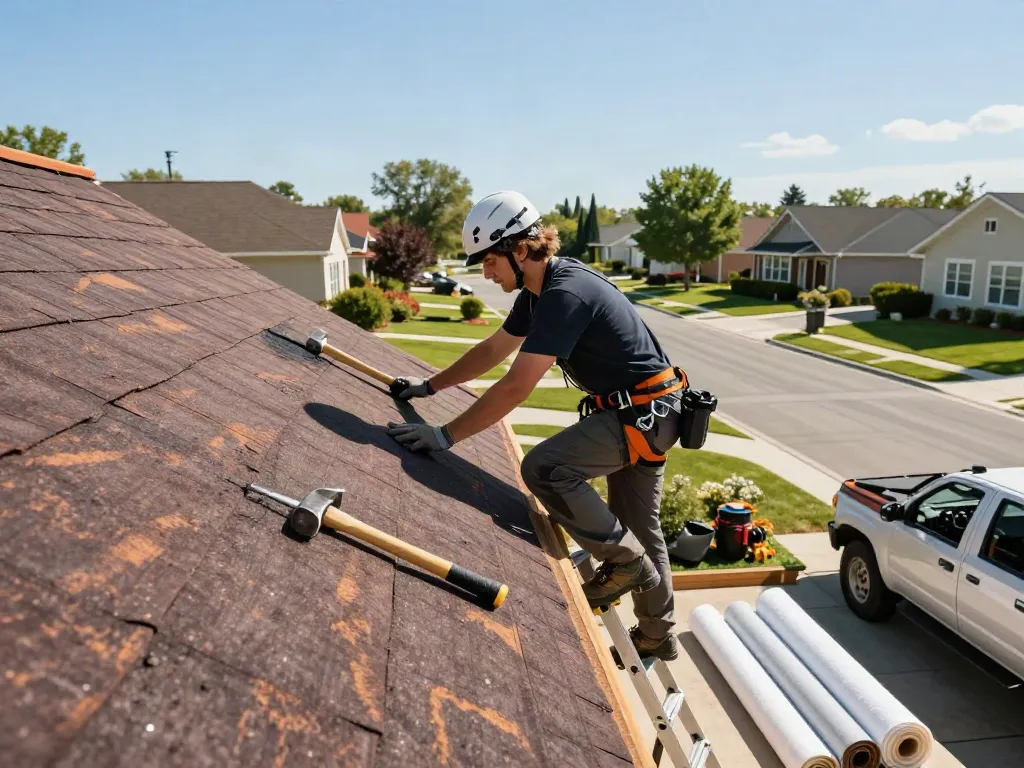
Understanding Felt Roofs
Felt roofs are a popular choice for a variety of buildings, including residential homes and commercial properties. These roofing systems are versatile, cost-effective, and offer reliable protection against the weather. Made from layers of felt material, which is typically saturated with bitumen, felt roofs are designed to provide a durable waterproof barrier. When exploring options, felt roof systems are favored for their ease of installation and maintenance. Understanding the specifics of felt roofing can help homeowners and property managers make informed choices when it comes to their roofing needs.
What is a Felt Roof?
A felt roof consists of one or more layers of felt material, typically made from organic or fiberglass-reinforced paper, which is then coated in bitumen. The construction of a felt roof allows it to effectively repel water while remaining durable and resistant to various weather conditions. The installation process generally involves laying down the felt sheets in overlapping layers, sealing the seams, and applying a protective surface layer that may include gravel or a UV-resistant coating.
Common Uses of Felt Roofing
Felt roofing is commonly employed in flat or low-pitched roofs, making it ideal for:
- Garages
- Sheds
- Extensions
- Porches
- Residential flat roofs
Due to its versatility, felt roofing can be found on both residential and commercial properties, providing a cost-effective solution for shelter against rain and moisture.
Benefits of Installing Felt Roofs
There are several advantages to using felt roofing for your building:
- Cost-Effectiveness: Felt roofing is generally less expensive compared to other roofing materials, making it suitable for budget-conscious projects.
- Quick Installation: The installation process is relatively fast, which can minimize the disruption to your home or business.
- Weather Resistance: Well-installed felt roofs are designed to withstand various weather conditions, offering long-lasting protection against rain, UV rays, and temperature fluctuations.
- Low Maintenance: Regular maintenance is straightforward, often requiring only inspections and minor repairs over the years.
Signs You Need a Felt Roof Inspection
Identifying potential issues early can save you from costly repairs in the future. Here are some signs that you should consider a felt roof inspection:
Identifying Leaks or Damage
Water stains on walls or ceilings may indicate a leak in your roof. If you notice these signs, it’s crucial to have your felt roof inspected promptly. A professional can assess the extent of the damage and determine whether a repair or replacement is necessary.
Understanding Wear and Tear
Felt roofs, like all roofing systems, can experience wear and tear over time. Look for signs of blistering, lifting, or cracks in the felt material. If the surface feels uneven or you notice pooling water after rainfall, these are indicators that your roof may need attention.
When to Seek Professional Help
If you suspect any issues with your felt roof, it’s wise to consult a professional. Finding a reputable roofing specialist can provide you with the necessary insights regarding the condition of your roof and what steps should be taken next.
Choosing the Right Felt Roofing Specialist
When selecting a roofing contractor, it’s essential to ensure you choose someone qualified and trustworthy. Consider the following when searching for a felt roofing specialist:
What to Look for in a Contractor
Not all roofing contractors are created equal. Look for roofers with experience specifically in felt roofing. Check their previous work and see if they have a portfolio that showcases successful projects similar to yours.
Checking Insurance and References
A reputable contractor should have insurance coverage that protects both them and you as the homeowner. Additionally, asking for references from past customers can provide insight into the contractor’s reliability and quality of work.
Comparing Quotes and Services
It's crucial to obtain multiple quotes before making your decision. This will allow you to compare not only prices but also the services offered by each contractor. Ensure that every quote includes a detailed breakdown of costs for transparency.
Felt Roof Installation Best Practices
To ensure a successful installation of your felt roof, consider the following best practices:
Preparing for Installation
Before installation begins, ensure the roof surface is clean, dry, and free of debris. Any existing materials should be properly removed to allow for an adequate bond between the felt and the substrate.
Step-by-Step Installation Process
The installation of a felt roof generally follows these steps:
- Measure the roof area and cut the felt to size.
- Apply a layer of adhesive or bitumen to the roof surface.
- Lay the first piece of felt down, ensuring it overlaps with the next piece to prevent leaks.
- Secure the felt in place using nails or staples, if necessary.
- Finish by applying a protective layer, such as mineral chippings or a UV-resistant coating.
Following these steps can help ensure that your felt roof is installed correctly for optimal performance.
Maintaining Your Felt Roof Post-Installation
After installation, regular maintenance is key to prolonging the life of your felt roof. Schedule periodic inspections, clean debris, and address any minor repairs promptly to avoid larger issues down the line.
Future Trends in Felt Roofing
The roofing industry is constantly evolving, and felt roofing systems are no exception. Here’s a look at what to expect in the coming years:
Innovations in Materials and Techniques
As technology advances, new materials are being developed that enhance the durability and longevity of felt roofing systems. Innovations may include improved bitumen formulations or eco-friendly materials that reduce environmental impact.
Environmental Considerations for Roofers
With a growing emphasis on sustainability, many roofing companies are adopting environmentally friendly practices. This includes using recyclable materials and reducing waste during the installation process.
Expected Lifespan and Maintenance Changes by 2026
As new technologies emerge, the expected lifespan of felt roofs may increase. Additionally, maintenance practices are expected to evolve, emphasizing preventive care to help homeowners extend the life of their roofs.
What to Expect from Future Roofing Advances?
Future advancements in roofing technology could lead to roofs that are smarter and more energy-efficient. Features such as integrated sensors that monitor the roof’s condition may become standard, providing homeowners with real-time data on their roofing systems.