
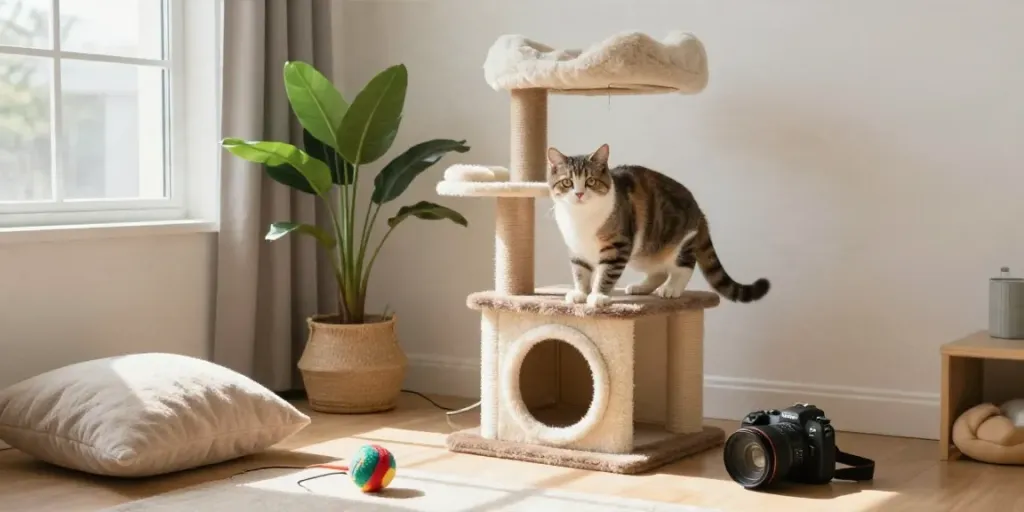
Understanding the Importance of a Cat Tree
When it comes to providing the best environment for your feline friend, a cat tree is more than just a piece of furniture—it’s essential for their well-being and happiness. Cats are natural climbers and need vertical space to explore, play, and rest. Integrating a cat tree into your home can significantly enhance their quality of life.
Why Cats Need Vertical Spaces?
Cats are instinctually drawn to heights, primarily for safety and observation. In the wild, climbing trees allows them to escape predators while also providing a vantage point to spot prey. In a home environment, a cat tree serves the same purpose, offering a sense of security and a place to engage in their hunting instincts, even if it's just watching birds from the window.
Benefits of Cat Trees for Indoor Cats
Indoor cats, in particular, benefit immensely from cat trees. Unlike their outdoor counterparts, they require stimulation and enrichment to remain active and healthy. A cat tree provides multiple benefits:
- Physical Exercise: Cats are naturally playful and energetic. Having a cat tree encourages jumping, climbing, and scratching, which helps keep them fit.
- Stress Relief: Cats can be territorial and may feel stressed in a confined space. Vertical spaces allow them to claim their territory without conflict.
- Paw Health: Many cat trees feature scratching posts, which help cats maintain healthy claws and prevent them from scratching furniture.
Choosing the Right Cat Tree for Your Feline
Selecting the perfect cat tree for your home involves considering various factors. Each cat has different preferences; thus, understanding your feline’s needs is crucial. Look for a cat tree that matches your cat's size and activity level to ensure it becomes a cherished spot.
Common Misconceptions About Cat Trees
Despite their benefits, several myths surround cat trees that may prevent pet owners from investing in one.
Myth: Cat Trees Take Up Too Much Space
One of the most common misconceptions is that cat trees require a significant amount of space. However, many models are designed to fit into smaller areas, providing vertical height without requiring a large footprint. You can find compact designs that fit snugly in a corner, maximizing space while offering your cat their own domain.
Myth: All Cat Trees Are the Same
This myth couldn’t be further from the truth. Cat trees come in various designs, sizes, and materials, catering to different cat breeds and individual preferences. For instance, large breeds like Maine Coons benefit from sturdier, larger cat trees, while smaller or less active cats might prefer simpler designs.
Myth: Cats Will Not Use a Cat Tree
Some believe that cats are apathetic to cat trees, but the reality is that a well-placed cat tree can quickly become a favorite spot for your furry friend. Engaging your cat with toys, treats, or even catnip can encourage them to explore and utilize the tree.
Key Features to Look For in a Cat Tree
When purchasing a cat tree, it’s vital to consider specific features to ensure it meets your cat's needs and provides a safe environment.
Material and Durability Considerations
The quality of materials used in a cat tree can significantly affect its durability and safety. Opt for trees made from sturdy materials like solid wood or high-quality plywood. Ensure that any fabric covering is durable enough to handle scratching and play.
Design Elements that Attract Cats
Choose a design that incorporates features your cat will find appealing. Multi-level platforms, cozy hideaways, and interesting textures can attract even the most discerning feline. Features like scratching posts wrapped in sisal or jute are also essential for keeping claws healthy.
Height and Stability for Safety
Stability is crucial for a cat tree. Ensure the base is broad enough to prevent tipping, especially for taller trees. Cats love to climb, but they also enjoy jumping down, so a sturdy design is key to preventing accidents.
Best Practices for Setting Up Your Cat Tree
Placement and introduction of the cat tree can influence its acceptance by your cat, making these aspects vital for the best experience.
Optimal Placement in Your Home
Placing the cat tree in a location that offers a view of the outside can entice your cat to use it. Areas with ample light, near favorite resting spots, or where they can observe the household activities usually work well. Consider placing it next to a window or in a corner where it feels secure.
Introducing Your Cat to the Tree
When introducing your cat to their new tree, patience is key. Cats may be hesitant at first, so allow them to explore it at their own pace. Adding treats or toys can help to spark interest, making it a rewarding experience.
Maintaining and Cleaning Your Cat Tree
Regular maintenance is essential to ensure the longevity of a cat tree. Vacuuming the surfaces and spot cleaning with pet-friendly cleaners can keep it hygienic. Regularly check for loose parts or wear and tear to ensure safety for your pet.
Future Trends in Cat Trees: What's Next?
As we look toward the future, cat trees are evolving to meet the needs of both pets and their owners. Innovative designs and materials are emerging to enhance the functionality and aesthetic of cat trees.
Innovative Designs for 2026 and Beyond
Future cat trees will likely incorporate modular designs, allowing for customization based on your home layout and your cat's preferences. These can be rearranged or expanded, providing fresh environments for your cat.
Eco-Friendly Materials and Sustainability
With a growing focus on sustainability, many manufacturers are creating cat trees using eco-friendly materials, such as reclaimed wood and organic fabrics. This trend not only benefits the environment but also ensures a healthier space for your pet.
The Rise of Smart Cat Trees
Technology is also making its way into the pet furniture industry. Smart cat trees with integrated sensors may provide owners with insights into their cat’s activity levels and preferences, helping to tailor their environment for optimal health.
What Accessories Can Enhance Your Cat Tree Experience?
Accessories such as dangling toys, climbing pads, and scratching surfaces can add value to any cat tree. Investing in additional elements can make the cat tree even more engaging and comfortable for your feline friend.
Do Cats Really Benefit from Multi-Level Cat Trees?
Multi-level cat trees cater to a cat's instinct to climb and explore, making them an excellent choice for enrichment. They offer varying heights, allowing cats to choose their preferred perch, thereby reducing boredom and increasing physical activity.
How Often Should a Cat Tree Be Replaced?
Typically, a cat tree should be replaced every few years, depending on usage. Signs that it's time for a new one include worn or damaged areas, instability, or if your cat seems uninterested in it. Regular inspections can help you determine its condition.
What Are the Signs Your Cat Dislikes Their Tree?
Indications that your cat may not like their tree include avoidance behavior, lack of interaction, or signs of stress when near it. If these signs are evident, it might be time to consider a new design that better fits your cat's needs.
How to Choose the Best Tree for Multiple Cats?
For households with multiple cats, opt for larger trees that offer various levels and perches. This way, each cat can find its private space, reducing territorial disputes. Also, trees with additional scratching posts can help minimize conflict.
Is There a Right Age to Get a Cat Tree?
While there’s no specific age that’s best for acquiring a cat tree, introducing one early in a kitten's life can help them develop good habits for play and scratching. However, adult cats can also adapt well to new cat trees, especially if they are introduced in a positive manner.