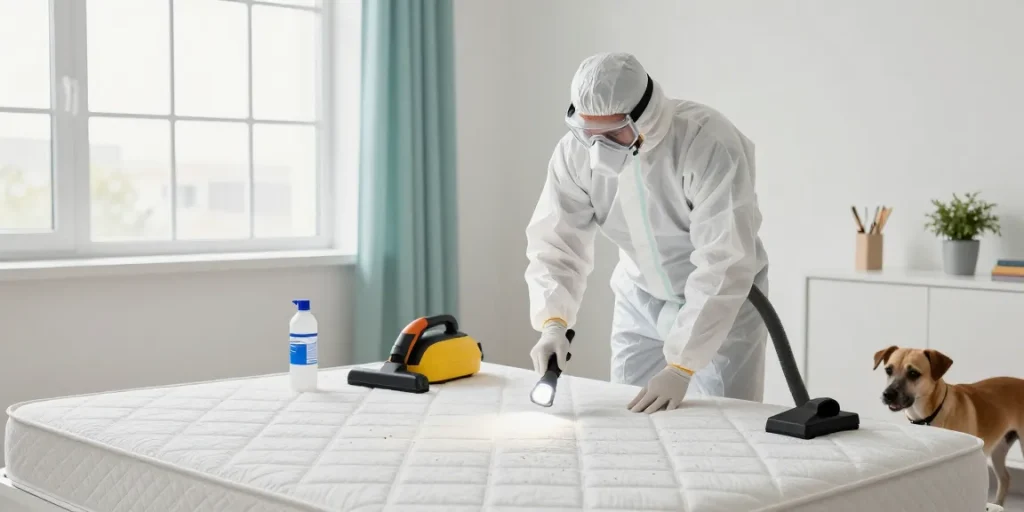
Understanding Bed Bugs: What You Need to Know
Bed bugs are more than just a nuisance; they can pose significant health risks and cause emotional distress. Understanding these pests and their behavior is essential for effective management and eradication. When exploring options, bed bug exterminator services are crucial for ensuring a safe, pest-free environment. In this section, we’ll delve into their identification, common misconceptions, and why seeking professional help is imperative for effective treatment.
Identifying Bed Bugs and Their Behavior
Bed bugs, scientifically known as Cimex lectularius, are small, flat insects that are typically brown in color, resembling apple seeds. They are nocturnal creatures, primarily feeding on human blood during the night, which often leads to bites that can cause itchy welts. One of their unique behaviors is their ability to hide in tiny crevices; common hiding spots include:
- Seams of mattresses
- Cracks in walls
- Behind headboards and bed frames
- In luggage and clothing
Understanding these hiding spots is crucial in detecting infestations early and preventing their spread.
Common Misconceptions About Bed Bugs
There are numerous myths surrounding bed bugs that can lead to confusion and ineffective control measures. Some common misconceptions include:
- Bed bugs only infest dirty homes: Bed bugs can thrive in clean and cluttered environments alike.
- DIY treatments are sufficient: While some DIY methods may offer temporary relief, they often fail to eliminate the entire population, allowing for rapid reinfestation.
- Bed bugs are only found in beds: They can inhabit any area where humans rest, including couches, chairs, and even workplaces.
Dispel these myths by educating yourself and others about the realities of bed bugs.
Why Professional Help is Important
Professional extermination services are vital for effective bed bug removal. DIY methods often lack the comprehensive approach needed to fully eradicate an infestation. A qualified bed bug exterminator offers extensive knowledge, advanced equipment, and proven treatment plans that can eliminate bed bugs at all life stages, including eggs. Additionally, exterminators can also provide valuable education on prevention strategies to keep your home bed bug-free.
Choosing the Right Bed Bug Exterminator
Key Qualities of a Professional Exterminator
Choosing the right bed bug exterminator is crucial for effective pest control. Here are key qualities to look for:
- Experience: Look for companies with a proven track record and extensive experience in dealing with bed bug infestations.
- Certifications: Ensure the exterminators are certified and licensed, demonstrating their competency and knowledge in pest control.
- Customer Reviews: Check online reviews and testimonials to gauge customer satisfaction and the effectiveness of their services.
Questions to Ask Before Hiring
Before hiring an exterminator, consider asking the following questions:
- What methods do you use for bed bug extermination?
- How long will the treatment take, and what does it involve?
- Do you offer any guarantees for your services?
Getting clear answers to these questions can help ensure you’re making an informed choice for your bed bug problem.
Evaluating Treatment Options: Heat vs. Chemical
When it comes to bed bug extermination, two primary treatment methods are often considered: heat treatment and chemical sprays. Each has its benefits and drawbacks:
- Heat Treatment: This eco-friendly method involves raising the temperature in a designated area to eliminate bed bugs at all life stages. It is highly effective but may require more preparation from the homeowner.
- Chemical Spray: Chemical treatments involve using pesticides to create a residual barrier against bed bugs. While effective, they can have health implications and require strict adherence to safety protocols.
It’s essential to discuss these options with your exterminator to determine which method best suits your situation.
The Bed Bug Extermination Process Explained
Initial Inspection and Assessment
Before any treatment begins, an initial inspection is crucial. A professional exterminator will assess the extent of the infestation by checking common hiding spots, furniture, and even personal belongings. This thorough evaluation helps in formulating a targeted treatment plan.
Preparation Steps Before Treatment
Preparing your home for bed bug treatment is vital for its success. Homeowners may need to:
- Remove clutter from the affected areas
- Wash and dry bedding on high heat
- Vacuum carpets and upholstery
Following these steps ensures that the exterminator can effectively reach all target areas during the treatment.
Post-Treatment Follow-Up Protocols
After treatment, follow-up protocols are essential. Professional exterminators typically schedule inspections weeks after the initial treatment to ensure the infestation has been completely eradicated and to address any potential concerns.
Cost Factors in Bed Bug Extermination
Understanding Pricing Models for Services
The cost of bed bug extermination can vary widely based on several factors such as:
- The severity of the infestation
- Type of treatment chosen (heat vs. chemical)
- Geographical location and service provider pricing
Understanding these factors can help you budget accordingly for your pest control needs.
Comparing Value vs. Cost in Treatment Options
While initially more expensive, professional extermination services often provide better long-term value compared to DIY methods. Ineffectively managed infestations can lead to recurring problems and increased costs over time.
Financial Assistance and Insurance Considerations
Some pest control companies offer financial assistance or payment plans for those who struggle with upfront costs. Additionally, check with your insurance provider to see if bed bug extermination is covered under your policy, as coverage can vary significantly.
Future Trends in Bed Bug Extermination for 2026 and Beyond
Emerging Technologies in Pest Control
The pest control industry is evolving, with new technologies enhancing the effectiveness of bed bug treatments. Innovations such as thermal imaging and K9 detection teams offer precise solutions for early detection and extermination.
Innovative Approaches to Prevention
Future pest control will likely emphasize preventive measures, with products and services focused on minimizing the risk of reinfestation. Public education campaigns and community outreach can also play an essential role in prevention.
Regulatory Changes Impacting the Industry
As awareness of bed bugs grows, regulations may evolve to ensure that pest control methods are safe for both humans and the environment. Staying informed about these changes can help consumers make educated choices regarding pest control services.
What are the signs of a bed bug infestation?
Common signs of a bed bug infestation include:
- Itchy welts or bites, usually in clusters
- Dark spots (bug droppings) on mattresses or sheets
- Visible bed bugs or their shed skins
How effective is heat treatment compared to chemical spray?
Heat treatment is highly effective, killing bed bugs at all life stages. Meanwhile, chemical sprays create a long-lasting barrier but may require repeated applications for full effectiveness.
Can bed bugs be eliminated without professional help?
While it’s possible to manage minor infestations with DIY methods, complete eradication typically requires professional intervention to ensure all bugs and eggs are eliminated.
What should I do if I suspect a bed bug problem?
If you suspect an infestation, take immediate action by vacuuming affected areas and laundering bedding. Contact a professional exterminator for a thorough inspection and treatment plan.
How often should I schedule inspections for bed bugs?
Regular inspections, at least once a year, are recommended, especially for high-risk environments such as hotels or apartments.