Understanding Luxury Flooring Options
For homeowners looking to enhance their interior spaces, choosing the right flooring is a pivotal decision. In the UK, the debate between laminate and engineered wood flooring is one that frequently arises. Each option presents its own set of advantages and challenges, and the best choice largely hinges on individual preferences and practical requirements. When exploring options, luxury flooring without hardwood prices can provide comprehensive insights into making the right decision that aligns with your budget and aesthetic desires.
What Is Laminate Flooring?
Laminate flooring is a cost-effective alternative to hardwood that offers a variety of styles and finishes. It is made from several layers of material, primarily composed of a core layer of high-density fiberboard (HDF), topped with a photographic layer that mimics the appearance of wood or other materials. A protective layer seals the surface to guard against scratches, stains, and fading. This makes laminate flooring particularly appealing for high-traffic areas, as it is durable and relatively low maintenance.
What Is Engineered Wood Flooring?
Engineered wood flooring, on the other hand, offers a more authentic feel and look of natural wood, combining practicality with luxury. This type of flooring is constructed from a layer of real hardwood on top and several layers of plywood or high-density fiberboard beneath. The multi-layered construction enhances stability and makes it less susceptible to warping caused by moisture and temperature fluctuations. This makes engineered wood suitable for a wide range of environments, including spaces where solid wood may not thrive.
Key Differences Between Laminate and Engineered Wood
- Composition: Laminate is synthetic, while engineered wood consists of real hardwood.
- Appearance: Engineered wood provides an authentic wood finish, while laminate has a printed surface that imitates wood.
- Durability: Laminate is known for its scratch-resistance, but engineered wood offers a more premium finish that can be sanded and refinished.
- Installation: Both offer easy installation options, but laminate typically uses a click-lock system that simplifies DIY projects.
- Cost: Laminate is usually more budget-friendly, while engineered wood represents a more significant investment.
Benefits of Luxury Flooring Without Hardwood Prices
Cost-Effectiveness Over Traditional Hardwood
One of the principal advantages of choosing laminate or engineered wood flooring is the significant cost savings compared to traditional hardwood. Homeowners can achieve the desirable look of hardwood without the hefty price tag. Laminate flooring, in particular, is engineered to mimic the aesthetic of hardwood while offering a more approachable price point. This affordability allows homeowners to allocate funds to other essential areas of home renovation or decor.
Durability and Maintenance Comparisons
When considering flooring options, durability and maintenance are crucial. Laminate is exceptionally durable, making it resistant to scratches and dents, which is ideal for homes with pets or children. Engineered wood, while more prone to surface scratches, can be sanded down and refinished, extending its lifespan. Both types require minimal maintenance, but laminate flooring requires only simple cleaning to maintain its appearance. Engineered wood, however, may benefit from periodic refinishing to preserve its beauty.
Design Flexibility and Aesthetic Appeal
The variety of designs available in both laminate and engineered wood flooring provides a wealth of choices to match any decor style. Laminate flooring comes in an array of colors and textures, allowing for playful design choices. Engineered wood, with its real wood surface, offers stunning aesthetics that convey warmth and luxury, making it a preferred choice for upscale interiors.
Choosing the Right Flooring for Your Space
Factors to Consider: Budget, Lifestyle, and Aesthetics
When selecting between laminate and engineered wood flooring, consider your budget, lifestyle, and the aesthetics you wish to achieve. For instance, if you have a limited budget or need a quick fix, laminate might be a suitable option. However, if you are looking for a long-term investment that adds value to your home, engineered wood could be the better choice.
Room-Specific Recommendations: Kitchen, Living Room, and More
The choice between laminate and engineered wood can also depend on the specific room in which the flooring will be installed. For kitchens, laminate is often recommended due to its higher resistance to moisture and spills. Engineered wood can be used but requires proper sealing and regular maintenance to prevent damage. In living rooms, both options can create a warm and inviting atmosphere, with engineered wood possibly providing a more upscale feel.
Real-World Applications of Laminate and Engineered Wood
In real-world applications, laminate flooring is frequently utilized in busy households due to its resilience in the face of foot traffic and ease of cleaning. For example, many homeowners choose laminate in hallways, playrooms, and mudrooms. Engineered wood, with its ability to endure fluctuating temperatures, is popular in areas like sunrooms or over radiant heating.
Brand Comparison: Quick-Step Laminate vs. Engineered Wood
Durability and Performance of Quick-Step Flooring
Quick-Step is a brand synonymous with quality and innovation in both laminate and engineered wood flooring. Their laminate collections are designed for durability, featuring advanced scratch-resistant technology that holds up well against daily wear. The engineered wood lines from Quick-Step, on the other hand, exhibit exceptional strength and stability, providing homeowners with confidence in their flooring choice.
Aesthetic Qualities: Which One Stands Out?
When comparing the aesthetic appeal of Quick-Step’s laminate and engineered wood, the engineered options often edge out in visual fidelity. The natural grain patterns of hardwood are faithfully replicated in the engineered wood lines, offering a more authentic wood look. Meanwhile, the laminate options provide vibrant color choices and textures that cater to those looking for a more playful design.
Installation Techniques and Ease of Use
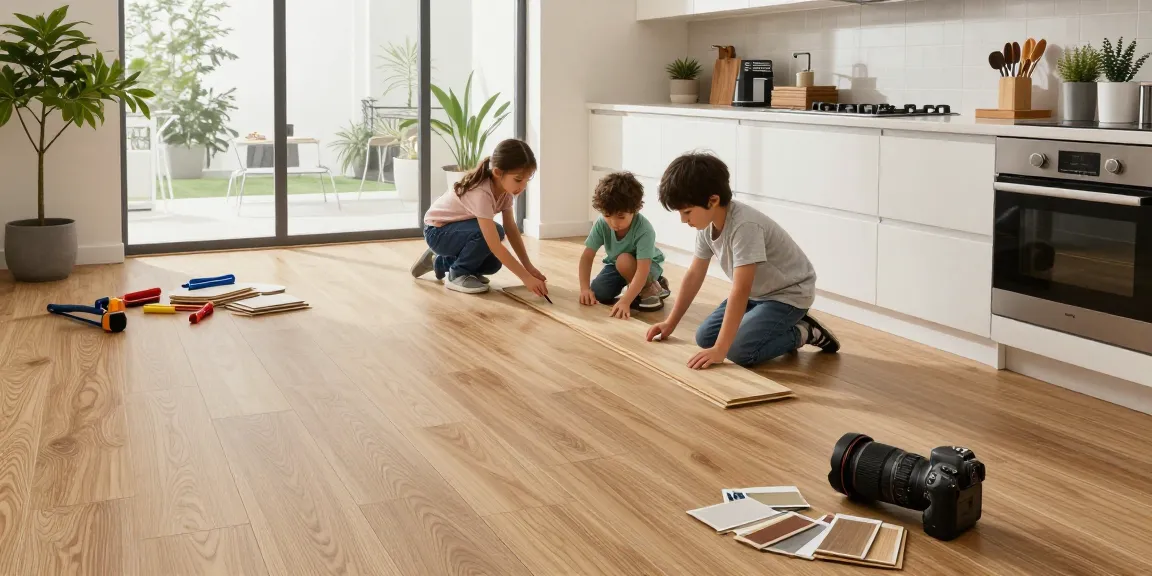
Both laminate and engineered wood from Quick-Step feature user-friendly installation techniques. Their innovative click-lock system simplifies the process for DIY enthusiasts and professionals alike. This ease of installation can save time and labor costs, making Quick-Step a popular choice among homeowners seeking to enhance their living spaces without professional assistance.
Future Trends in Flooring Options for 2026 and Beyond
Sustainability in Flooring Materials
As the focus on sustainability grows, flooring companies are increasingly introducing eco-friendly options. Both laminate and engineered wood manufacturers are incorporating sustainable practices into their production methods, such as using recycled materials and responsibly sourced wood. This trend aligns with the broader consumer shift towards environmentally friendly products and can influence buying decisions.
Technological Advances: Smart Flooring Solutions
The future of flooring is not only aesthetic; it also embraces technological innovations. Smart flooring solutions, including moisture sensors and heating systems, are emerging in the laminate and engineered wood market. These advances offer enhanced functionality and convenience, allowing homeowners to enjoy their flooring while benefiting from smart home integrations.
Consumer Preferences Shaping the Future of Flooring
Consumer preferences continue to shape the flooring industry, influencing both style and functionality. A growing preference for low-maintenance and durable products indicates that laminate flooring will remain a popular choice in family homes. Meanwhile, the allure of the natural wood aesthetic in engineered flooring appeals to homeowners seeking both luxury and longevity in their investment.
FAQ
What are the main differences between laminate and engineered wood?
The primary differences lie in their composition, durability, and aesthetics, with laminate being a synthetic product and engineered wood comprising actual hardwood.
Is engineered wood more expensive than laminate?
Generally, engineered wood tends to be more expensive than laminate due to the cost of real hardwood materials and the higher quality construction process.
Can laminate be used in high-moisture areas like kitchens?
Yes, laminate is suitable for kitchens as it is more resistant to moisture compared to traditional hardwood. However, it is essential to maintain spills promptly to prevent damage.
What are the installation requirements for each flooring type?
Both laminate and engineered wood can be installed as floating floors, meaning they do not require adhesive or nails. Quick-Step’s laminate provides a simple click-lock system, while engineered wood installation may vary based on the specific product.
How can I maintain my luxury flooring effectively?
Regular cleaning with a damp mop and a gentle cleaner, alongside avoiding excessive water exposure, will help maintain the appearance and durability of both laminate and engineered wood flooring.